Generator Installation & Repair in Morgantown, WV
Power failures don't wait for convenient times. When severe weather hits North Central West Virginia, a backup generator means your family stays safe, your business keeps running, and you avoid the stress and expense of prolonged outages. At NS Electric, we design and install automatic standby generator systems that restore power within seconds of an interruption.
Professional Generator Installation Services
Backup generators need careful planning and precise installation to work reliably when you need them most. Our licensed team handles every phase of your generator project with attention to code compliance and long-term performance:
System Design and Sizing
Load calculations determine the right generator capacity for your home or business, taking into account essential circuits, HVAC systems, well pumps and other critical loads.
Automatic Transfer Switch Installation
Transfer switches detect power loss and signal your generator to start within seconds. They switch your electrical load from utility power to generator power without any action from you.
Fuel Line Connection
We install natural gas or propane fuel lines with proper shut-off valves, pressure regulators and leak detection that meets all safety standards.
Electrical Panel Integration
Generator connections to your main electrical panel or dedicated sub-panels protect your home's electrical system and deliver clean, stable power.
Concrete Pad and Mounting
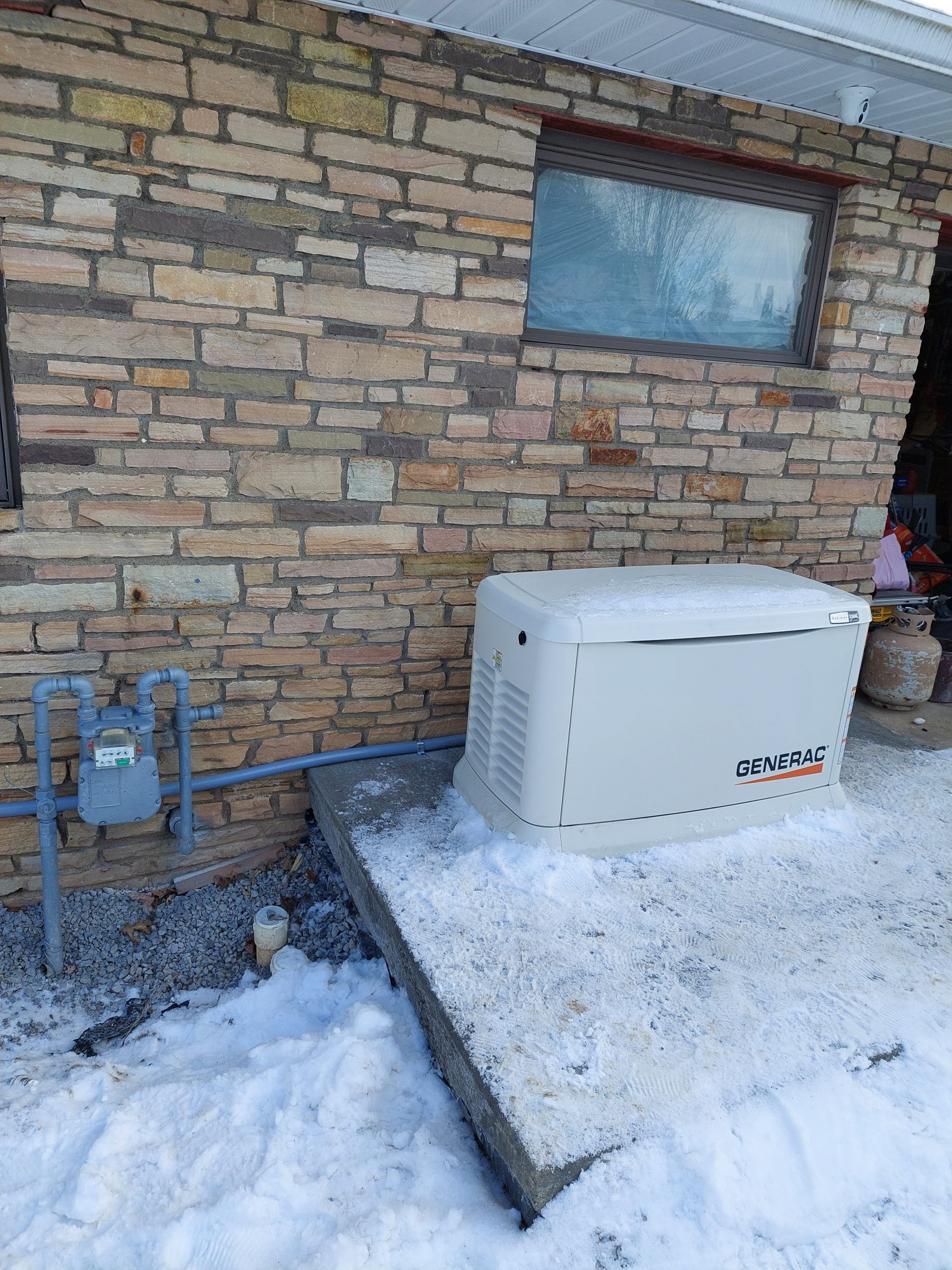
We position level, reinforced concrete pads with proper clearances, drainage and access. This keeps generators stable and protected from settling or moisture damage.
Permit Processing and Inspections
We handle complete permitting documentation and coordinate with local building departments for required inspections and final approval.
Why Generator Installation Requires Licensed Expertise
Backup generators connect directly to your home's electrical system and gas supply. When installed incorrectly, they create serious safety hazards. Proper installation prevents carbon monoxide poisoning, electrical fires and equipment damage while protecting your generator warranty.
Key Installation Considerations:
Dual Fuel and Electrical Expertise
Generators need both gas fitting knowledge and electrical system understanding. This combination creates safe, code-compliant installations that function correctly during emergencies.
Load Management Planning
Proper sizing prevents overloading your generator while keeping all critical circuits powered when you need them most.
Transfer Switch Programming
Modern transfer switches require specific programming for voltage sensing, startup delays and cooldown cycles. This protects both generator and electrical system from damage.
Code Compliance Requirements
Generator installations must meet National Electrical Code standards for clearances, disconnects, grounding and bonding. These requirements exist to pass inspection and protect your property.
Manufacturer Specifications
Each generator brand has specific installation requirements that affect warranty coverage and long-term reliability. Our experience with major brands means we get it right the first time.
Choosing the Right Generator Size
Selecting the correct generator capacity protects your investment while powering the circuits you need. Here's how different home sizes typically match with generator capacity:
| Home Electrical Service | Essential Circuits Only | Whole-House Coverage | Typical Applications |
|---|---|---|---|
| 100-amp service | 10kW to 12kW | 16kW to 18kW | Smaller homes, critical loads |
| 200-amp service | 14kW to 16kW | 20kW to 26kW | Standard homes, full coverage |
| 400-amp service | 20kW to 30kW | 30kW to 48kW | Large homes, heavy loads |
Professional load calculations during consultation determine the exact size your property requires. We base recommendations on your specific electrical demands and planned backup coverage.
Commercial and Industrial Generator Solutions
Power outages hit businesses harder than homes. Lost productivity, spoiled inventory and interrupted services cost real money every minute the lights stay off. NS Electric provides commercial-grade generator systems sized for demanding applications.
Our Commercial Capabilities:
Three-Phase Power Systems
Industrial generators and transfer equipment rated for three-phase service power manufacturing equipment, HVAC systems and commercial machinery.
Parallel Generator Configurations
Some facilities need redundancy or capacity beyond what a single unit provides. Multiple generator setups solve these challenges.
Remote Monitoring Integration
Cloud-based monitoring systems alert you to generator status, maintenance needs and performance issues before they turn into bigger problems.
Load Bank Testing
Regular load testing proves your generator can handle the capacity it claims. This identifies potential issues under realistic operating conditions.
Scheduled Maintenance Contracts
Preventive maintenance programs keep commercial generators ready for emergency operation. Regular oil changes, filter replacements and system checks prevent failures when you can least afford them.
Emergency Generator Rentals
Temporary generator installations work for construction sites, special events or emergency backup while permanent systems get repaired.
Complete Home Energy Security Solutions
Generators work better when integrated with other electrical improvements. We coordinate your backup power system with complementary upgrades for maximum protection and efficiency.
Complementary Services Include:
Whole-Home Surge Protection
Voltage spikes damage sensitive electronics and appliances when generator power switches on or utility power returns. Surge protection stops this damage. Explore surge protection options.
Critical Circuit Sub-Panels
Dedicated panels for essential circuits cut your required generator size. You improve fuel efficiency by powering only necessary loads.
Electrical Service Upgrades
Panel upgrades accommodate generator connections while improving overall system capacity and safety.
Emergency Lighting Systems
Battery backup lighting for stairways and exits gives you immediate illumination during the seconds before generator startup.
Smart Home Integration
Generator status monitoring through home automation systems alerts you to power outages and generator operation remotely.
Why Morgantown Property Owners Choose NS Electric
Installing a generator system means protecting your family or business during emergencies. You need a partner who understands both electrical systems and the stakes involved with reliable backup power.
Veteran-Owned and Operated
Matthew Wright, U.S. Army veteran and Master Electrician, founded NS Electric on principles of service, discipline and accountability. These values guide our approach to every installation.
Master Electrician Leadership
More than 16 years of hands-on electrical experience means we understand generator installation complexities and how systems integrate with existing electrical infrastructure. We solve problems correctly the first time.
24/7 Emergency Response
Generator failures during power outages create urgent problems. Our emergency team responds quickly day or night to restore your backup power when you need it most.
Authorized Dealer Network
Factory-trained installation teams for major generator brands including Generac, Kohler and Briggs & Stratton mean proper installation that protects manufacturer warranties.
Transparent Pricing
Detailed estimates break down equipment costs, installation labor, permit fees and optional features. You know exactly what you're paying for before work begins.
Energy-Conscious Planning
Modern generators run more efficiently than older models. We help you select systems that balance power capacity with fuel consumption and operating costs.
Modern generators run more efficiently than older models. We help you select systems that balance power capacity with fuel consumption and operating costs.
Generator Installation Process
Here's what happens during installation and what timeline you can expect for your project.
1
Step 1: Initial Consultation
We visit your property to assess electrical service capacity, discuss your power needs, review generator placement options and answer questions about different system types.
3
Step 3: Proposal and Equipment Selection
You receive a detailed proposal outlining recommended equipment, installation scope, timeline and total project cost. This includes permits and materials.
5
Step 5: Site Preparation
Concrete pad installation and fuel line rough-in prepare your property for generator delivery and final connections.
7
Step 7: System Testing and Programming
Comprehensive testing verifies proper operation. This includes simulated power outages, voltage checks and transfer switch programming.
2
Step 2: Load Calculation and System Design
Our team analyzes your electrical panel to determine which circuits need backup power. We calculate the generator size required for your specific situation.
4
Step 4: Permit Application
We handle all permit applications and documentation required by local building departments. We coordinate inspection schedules to keep your project on track.
6
Step 6: Generator Installation
Professional mounting, electrical connections, transfer switch installation and fuel line completion happen according to manufacturer specifications and code requirements.
8
Step 8: Final Inspection and Training
Building department inspection approval comes first. Then we train you on generator operation, maintenance requirements and emergency procedures.
Common Generator Questions
What size generator do I need for my home?
Most 200-amp homes need 20kW to 26kW generators for whole-house backup power. Partial-house systems protecting only essential circuits work with smaller 12kW to 16kW units. Load calculations during our consultation determine the right size for your specific needs.
How long do generators take to start during outages?
Automatic standby generators detect power loss and begin supplying power within 10 to 30 seconds. The exact timing depends on the model. Transfer switches handle the switching process automatically without any action from you.
What fuel do generators use?
Standby generators operate on natural gas or propane. Natural gas connections tap into your existing utility line. Propane systems need either existing or new propane tanks sized for extended operation.
How loud are backup generators?
Modern generators operate at 60 to 70 decibels from 25 feet away. That's comparable to normal conversation volume. Sound-attenuated enclosures further reduce noise levels for installations near property lines or bedrooms.
Do generators require regular maintenance?
Yes. Weekly self-tests keep internal components lubricated. Annual professional maintenance includes oil changes, filter replacements, battery checks and system inspections. According to a National Renewable Energy Laboratory study, well-maintained generators achieve 97 percent operational reliability during emergencies, while poorly maintained units drop to 80 percent reliability. Regular maintenance prevents most generator failures.
How long do generators last?
Standby generators provide 20 to 30 years of reliable service with proper maintenance. Industrial and commercial units designed for extended run times often exceed these timeframes when maintained correctly.
What happens when utility power returns?
Transfer switches detect restored utility power and allow the generator to cool down for several minutes. They then automatically switch your electrical load back to utility service. Generators shut down after cooldown completes.
Are generators safe?
Properly installed generators include multiple safety features: carbon monoxide detectors, automatic low-oil shutdowns, overcurrent protection and weatherproof enclosures rated for outdoor installation. Professional installation prevents hazards that come with DIY setups.
How much do generator installations cost?
Residential installations typically range from $8,000 to $15,000. The exact cost depends on generator size, transfer switch type, fuel line requirements and site-specific factors. Commercial systems requiring larger capacity or three-phase power cost more based on complexity and equipment needs.
Contact Us
Matthew is a wonderful electrician. He is professional, reliable and honest. I highly recommend him for any of your electrical needs. Not many people will make house calls on a weekend and he went out of his way to accommodate us.
ML ROSE
Serving Morgantown
We are a locally owned company, proudly servicing the greater Morgantown area.
Veteran Owned
NS Electric is proudly owned and operated by a US Army veteran.
24-7 Emergency Service
We offer round-the-clock emergency service to both our residential and business customers.
What Our Clients Say